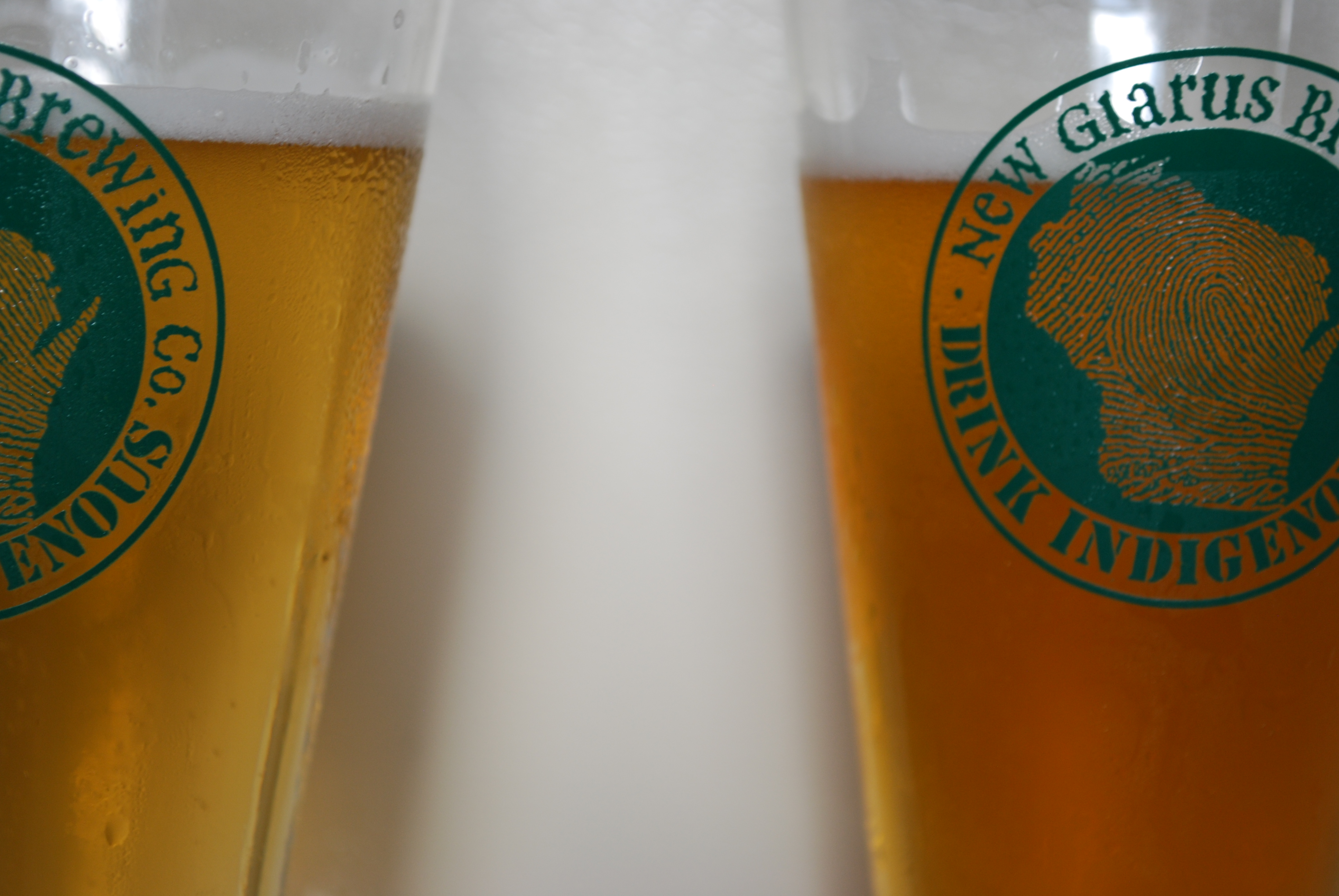
On the left, Helles (90% Pils, 6% Bohemian dark, 4% Carafoam – multi-temp step mash); on the right, Czech pils (97.5% Pils, 2.5% Acid malt – triple decoction).
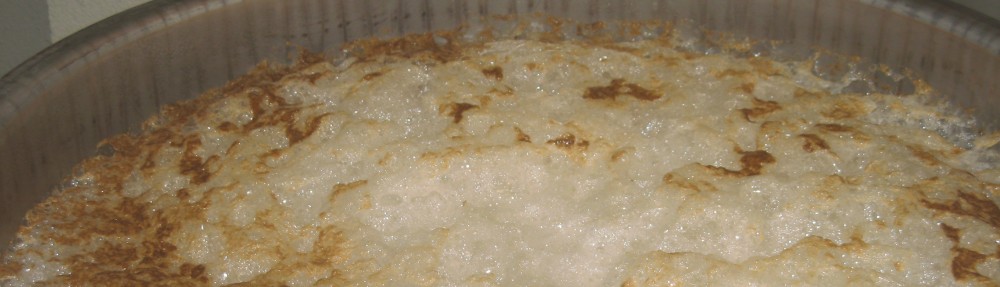
On the left, Helles (90% Pils, 6% Bohemian dark, 4% Carafoam – multi-temp step mash); on the right, Czech pils (97.5% Pils, 2.5% Acid malt – triple decoction).
Reader Andrew posted this question earlier in the week:
I was wondering if you could give me some tips on increasing mouthfeel on my lower abv brews. Is there a way to get a nice low abv beer without it being sweet due to high mash temps/ increased specialty malt?
… and I thought it was a substantial enough topic to warrant its own post.
Substantial! Mouthfeel! #BeerJudgeJokes Continue reading
Oktoberfest is coming. Time to practice. Continue reading
Citizens, in the last several months your author has seen a number of stories about new, contract-brewed brands built almost purely around a marketing concept or narrow demographic target that seem to be, to put it as objectively as possible, all hat and no cattle. What a lot of folks in the fall of 2012 might have considered “getting into brewing for the wrong reasons.”
My knee jerk reaction was uncharitable and unfavorable. Deep, internet forum-grade butthurt, scandalized like a Victorian lady. My second, more considered line of inquiry was to dig a little deeper. Join me in examining my feelings.
Because it’s never not time for Hefeweizen after mowing the lawn.
Recipe, plus the link to JD’s fermenter geometry experiment, here.
Anheuser Busch, a giant global brewer, has demanded that a tiny London microbrewery changes its name for fear people will confuse Belleville Brewery with their Belle-Vue fruit flavoured beer.
Nobody tell them about this place. Or this place across town, that also apparently puts out fruit flavoured beer.
After grinding over easily-avoidable rocks and missing hooksets due to the effects of 7% American IPAs, fly fishermen in central Minnesota invented the ordinary bitter as a more temperate all-day beer with which to fill their drift boat coolers [citation needed]. Continue reading
Catching up on my reading in the airport en route to NHC – this is a few days old, via FlandersNews.be:
The monks of the Notre-Dame Abbey of Saint-Remy are deeply concerned about the quality of their famous Trappist Beer Rochefort. The source providing the water for the making of the beer, is bound to dry up due to developments in a limestone quarry nearby. The abbey is situated 5 kilometres from Rochefort, in Namur province in the Ardennes.
The followup, the payoff. Tasting notes above, recipe below, pints all around. Continue reading
After posting about his process in the Berliner Weisse thread, reader Scott (sschemy) was kind enough to send me some samples to try – here they be, on camera.
And here are his comments excerpted from the above thread:
A buddy and I just “brewed” a Berliner-esque beer for a wort transformation challenge from a local brewery. The brewery provided 5 gallons of wort. The base wort was a wheat beer (don’t have the recipe in front of me) around an og of 1.050. We took that wort and split into two batches, we then mashed a 50/50 pilsner/wheat to dilute the original wort down to a gravity of 1.032. No boil, and pitched the Wyeast 3191 in one carboy, and a blend of NE wild yeast with sour dregs from various commercial brews (really have no idea, except there was some dregs from Trinity). We tasted and kegged these this weekend. The brew with the straight berliner yeast is a cleaner tartness, mildly sour now, but very refreshing. The NE wild/dregs beer is slightly funkier, a little less clean, but slightly more sour. This one had a really nice pellicle on it. Currently sitting under 30 psi, and will sample tomorrow. The contest calls for 6 bottles to be submitted. We have very high hopes with this one. Will let you know how it all turns out.
 the beer engine